



Reading time — 7 min.
30624
A graphic portrait from a photo brings together a personal photograph and an artist’s drawing. The photograph is the starting point, but lines, light and shade, colours and background also shape the finished portrait. The result is more than an enlarged photo: it depicts a person through a particular artistic approach.
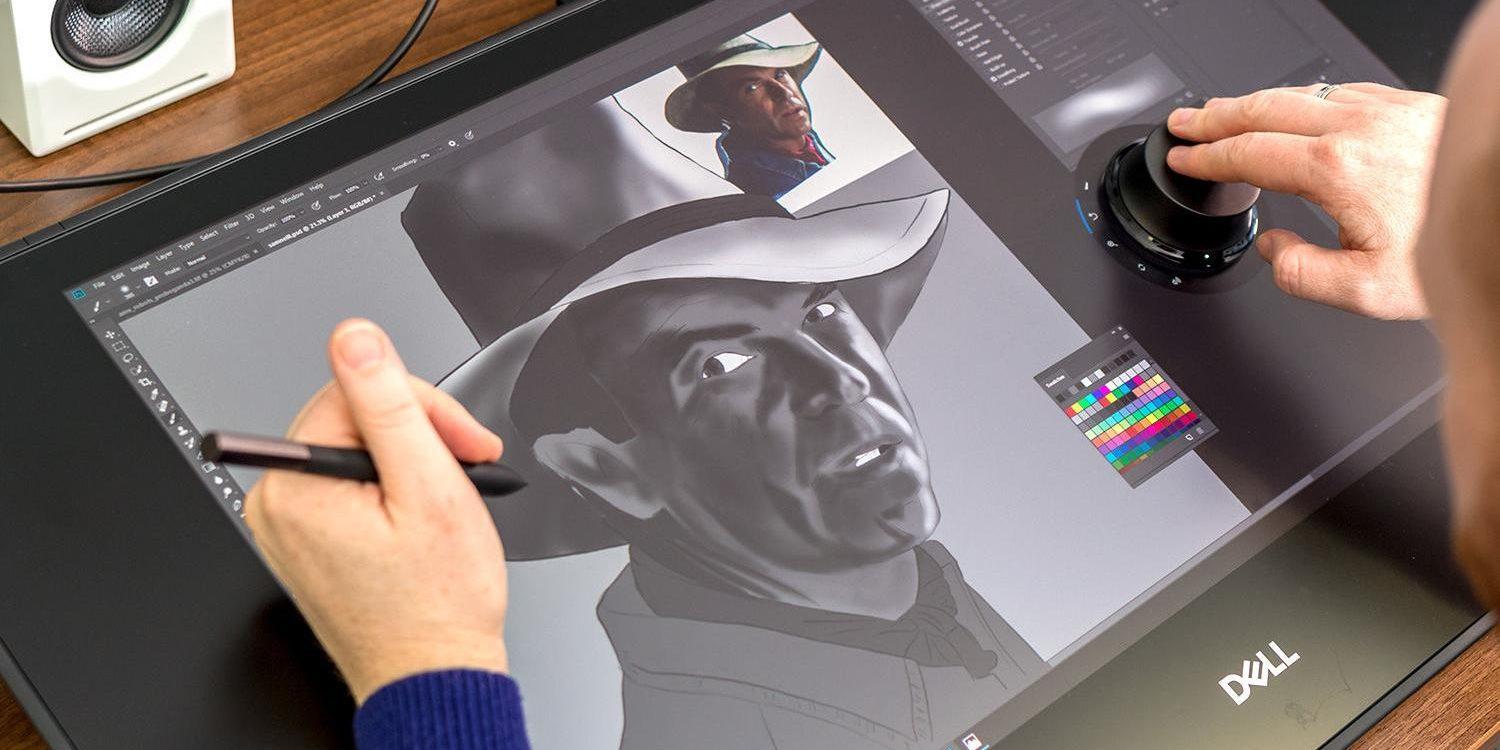
For a ViarCanvas classic graphic portrait, the artist works digitally using a graphics tablet and stylus. Once the image is approved, it is prepared for printing on canvas. To understand what you are ordering, it helps to distinguish the drawing itself from its physical presentation.
What Does “Graphic Portrait” Mean?
“Graphic” does not mean the portrait must be black and white or made entirely of outlines. A digital portrait can include colour, tonal transitions and expressive drawn details. Its appearance depends on the particular execution, not just the tool used.
A graphics tablet and stylus allow the artist to draw on a computer. The artist works on facial proportions, characteristic features, details and the overall mood. “Digital” describes the working environment; it does not in itself mean an automatically applied photo effect.
How Does a Drawn Portrait Differ from a Photograph?
A photograph records a particular moment, including its lighting and surroundings. In a portrait, the artist can emphasise the person, simplify the background or change the visual emphasis while retaining recognisable features. Specific changes should be agreed in advance rather than assumed to happen automatically.
For example, a busy background might be made quieter so that attention stays on the face. A piece of jewellery or a clothing detail, however, may be important to the personal meaning of the picture. Examples like these help explain your wishes; they do not mean every portrait should look the same.
A digital drawing is also different from a portrait painted with physical paint directly onto canvas. A print shows drawn lines and colour transitions, but these do not themselves produce the raised texture of oil-paint brushstrokes. Neither approach is better in every situation: the desired appearance and the individual work matter.
The Digital Drawing and the Canvas Portrait
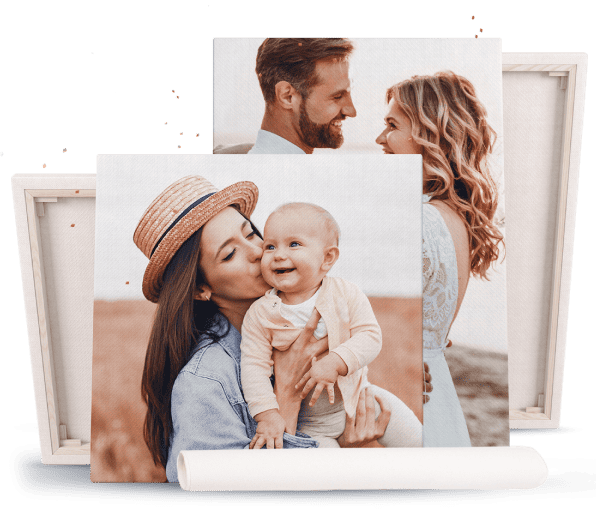
A digital portrait first exists as an image file that you can view in a preview. A canvas portrait is a print of that image on fabric. It is the same drawing in two forms: on a screen and as a physical piece to display in a room.

On canvas, the surface texture and the room’s lighting also affect how the image looks. A screen emits light, so the preview and the finished piece will not look exactly alike. The aim is to understand which drawing is being prepared for print, rather than expect an exact reproduction of screen brightness.
Size, proportions and presentation also influence how a portrait looks on a wall. You can explore examples and available ordering options on the classic portrait from a photo page.
What Gives a Portrait Personal Meaning?
A personal portrait does not have to be bright or elaborate. Its value may lie in a familiar smile, a characteristic expression or a memory connected to the photograph. When considering a portrait for yourself or as a gift, start with the person and the moment you want to preserve.
One person may prefer a quiet, restrained image; another may enjoy more expressive colour. The recipient’s taste matters more than an assumption that everyone will like the same treatment. If you are still comparing approaches, explore art portrait styles for a gift in our separate guide.
From an Idea to an Agreed Result
Explain at the outset what you want to keep from the photograph and what you would like to change. Details can be discussed during digital work, but the scope and feasibility of revisions should be agreed with the artist before printing. This is not a promise of unlimited changes at any stage.
Once the preview is ready, a specific checklist helps. Our guide to what to check in a portrait before printing covers likeness, facial expression, background, placement of people, inscriptions and cropping in more detail.
A graphic portrait turns a personal photograph into a drawing and, after approval, a piece on canvas. Understanding that distinction helps you choose a result you would enjoy displaying at home or giving to someone close to you.