



Reading time — 9 min.
13903
Choosing a portrait gift starts with how the recipient likes to see themselves, rather than the most striking example in a catalogue. One person may value a familiar expression and a restrained look; another may enjoy unusual colours or a humorous scene. Age, gender and occupation are not reliable shortcuts. Think instead about the photographs and artwork the person actually likes.
Start with two questions: how much should their familiar appearance change, and what mood should the gift convey? Then compare specific examples, not just style names.
Five situations to guide your choice
They prefer an understated look
If the recipient likes natural photographs and quiet compositions, start with examples of a classic portrait from a photo. Look at the face, smile and skin tones. Backgrounds and drawing techniques can still vary within this broad style.
For someone who dislikes heavy retouching or theatrical costumes, you might ask: “Keep the familiar smile and facial features, use a calm background and do not add a costume.”
They enjoy bold visual ideas
Compare Dream Art portraits with Pop Art portraits. In Dream Art examples, look at the decorative background and painterly colour accents; in Pop Art, look at contrast, outlines and larger areas of colour. Brightness is only part of the choice. Consider whether the person remains recognisable in the treatment you prefer.
If you know their favourite palette, show an example. “I like turquoise accents, but would prefer natural facial colouring” says more than “make it brighter”. Detailed decisions about size and placement can follow once the visual direction is clear.
They appreciate humour
A caricature from a photo is worth considering when you know what kind of humour the recipient enjoys. A hobby or a shared happy experience can provide the idea; their appearance does not have to be the main joke.
Discuss the degree of exaggeration and any topics to avoid. If the gift will be presented in front of colleagues or relatives, consider how the joke will work in that setting. When their reaction is uncertain, choose a less risky idea rather than assuming they will love the surprise.
They have a favourite animated series
Enthusiasm for a particular series is a better clue than assuming any cartoon treatment will appeal. For a fan of that visual world, a Simpsons-style portrait may be an option to explore. First consider whether they would enjoy seeing themselves as that kind of character.
This treatment changes appearance more noticeably: familiar proportions, lines and colours follow the chosen style. Discuss which personal details will keep the person recognisable, such as a hairstyle, glasses, clothing or a characteristic expression.
You do not know their preferences
Avoid guessing from their age or job. You could casually show two contrasting examples and ask which they prefer, or consult someone who knows their taste well. If you remain unsure, reduce the level of stylisation or discuss the gift idea itself.
Choose the source photograph with the recipient in mind, too. A picture the giver loves may not be one the person likes of themselves. Be especially thoughtful about photographs they prefer not to share.
A short style comparison
- Classic graphic portrait: a drawn interpretation focused on likeness. Clarify how natural the features should remain and how the background will be treated.
- Dream Art: decorative colour treatment. Compare the backgrounds and the extent of facial treatment in actual examples.
- Pop Art: contrasting colours and simplified graphic shapes. Discuss the palette and whether natural colours may change.
- Caricature: a humorous interpretation that may exaggerate features. Agree on the boundaries of the joke and the degree of altered proportions.
- Cartoon styling: a recognisable person drawn through a different set of lines and proportions. Clarify the intended style and important personal details.
These differences help you compare examples; they are not a ranking of quality. Seeing the same person in several treatments makes the stylistic differences easier to judge. Different faces, lighting and expressions can otherwise distract from the comparison.
Illustrative comparison: one fictional person in four styles. This example shows different treatments and is not a completed customer order.



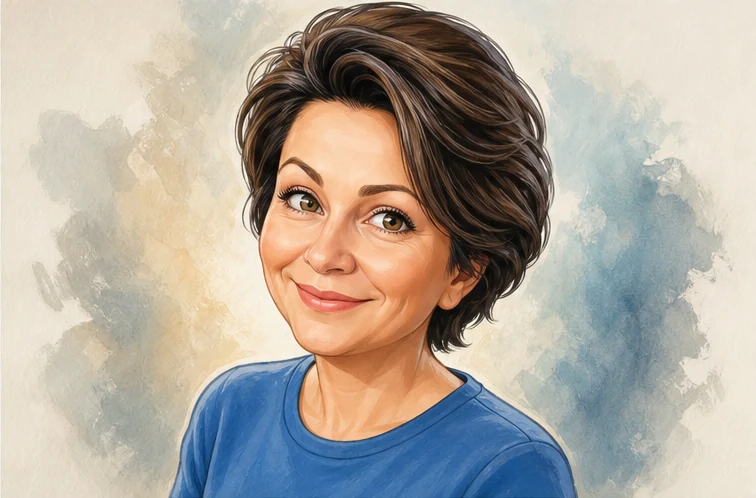
Image style and production method are different choices
Digital styling describes work on the image. Canvas printing transfers a prepared image onto a physical surface. An additional finish, if selected and available for that product, is a separate production step.
Hand painting means applying physical paint directly to a surface. A digital portrait with a painterly appearance is not automatically an oil or acrylic painting. Do not assume a coating, frame or gift packaging is included with every portrait; check what the particular order includes.
Turn your choice into a clear brief
For a couple or family portrait, choose a consistent treatment that everyone would be comfortable with. There is no need to include many symbols: one meaningful detail can express the personal idea more clearly than a collection of unrelated decorations.
Add a short explanation to your preferred example: “I like the understated face, but would prefer a lighter background. Please retain the glasses and smile, without exaggerating the features.” State both what appeals to you and what you do not want to repeat.
Once you have chosen the direction, move on to checking the portrait before printing: likeness, expression, composition and cropping. That turns a style preference into practical guidance and keeps the gift centred on the recipient’s taste, without promising that one approach suits everyone.